





Android Auto has become one of the most important technologies for modern drivers. It allows users to connect their Android smartphones to their vehicle’s infotainment system, making navigation, communication, entertainment, and voice control much easier and safer while driving.
As Google continues to improve the platform, millions of users search for Android Auto news to stay informed about new features, bug fixes, compatibility updates, and upcoming innovations. Whether you are a daily commuter, road trip enthusiast, or technology lover, keeping up with Android Auto developments can help you get the most out of your driving experience.
In this article, we will explore the latest Android Auto trends, common user concerns, recent improvements, practical solutions, and what the future holds for Google’s in-car platform.
The Main Question: What Is Happening with Android Auto?
One of the biggest questions users ask is:
“What are the latest Android Auto updates, and how do they affect my driving experience?”
Many Android users rely on Android Auto every day. When updates arrive, they often introduce new features, improve performance, enhance safety, or fix frustrating bugs.
Users frequently want answers to questions such as:
- Is Android Auto getting new features?
- Why is Android Auto not connecting?
- Which phones support Android Auto?
- What apps are now compatible?
- Is Google replacing Android Auto?
- What changes should drivers expect in future updates?
Understanding these updates helps users avoid issues and take advantage of the latest improvements.
Understanding Android Auto: Background and Context
Android Auto was introduced by Google to create a safer and smarter driving environment. Instead of handling a phone while driving, users can access important functions directly from their vehicle’s display.
Key features include:
- Google Maps navigation
- Voice commands through Google Assistant
- Music streaming
- Hands-free calling
- Messaging support
- Podcast playback
- Calendar integration
- Smart notifications
Over the years, Android Auto has evolved significantly. Early versions focused mainly on navigation and communication. Modern versions now support advanced multitasking, improved interfaces, and a growing number of third-party applications.
Google’s goal is simple: reduce distractions while giving drivers quick access to essential information.
Recent Android Auto Developments
1. Improved User Interface
One of the biggest Android Auto improvements has been the redesign of the user interface.
The updated layout allows drivers to:
- View navigation and media simultaneously
- Switch apps faster
- Access notifications more easily
- Use larger touch targets
These improvements reduce driver distraction and make the system easier to use while on the road.
2. Better Google Assistant Integration
Google Assistant continues to become smarter inside Android Auto.
Users can now:
- Send messages using voice commands
- Control music playback
- Ask for directions
- Check weather updates
- Make phone calls
The assistant is designed to minimize manual interaction and improve safety while driving.
3. Expanded App Support
Android Auto now supports more applications than ever before.
Popular categories include:
Navigation Apps
- Google Maps
- Waze
Music Apps
- Spotify
- YouTube Music
- Amazon Music
- Deezer
Communication Apps
- Telegram
- Messenger
Podcast Apps
- Pocket Casts
- Podcast Addict
The growing ecosystem gives users more flexibility and personalization options.
4. Wireless Android Auto Improvements
Wireless Android Auto is becoming increasingly popular.
Benefits include:
- No USB cable required
- Faster connection process
- Cleaner vehicle interior
- More convenient daily use
Many newer vehicles now support wireless Android Auto, and more manufacturers are adding compatibility every year.
Common Problems Users Face
Despite its popularity, Android Auto users occasionally encounter issues.
Some common complaints include:
- Connection failures
- Random disconnections
- Audio problems
- App crashes
- Black screen issues
- GPS inaccuracies
Let’s look at solutions.
Solutions for Android Auto Connection Problems
Check Phone Compatibility
First, ensure your device meets Android Auto requirements.
Generally, users need:
- A compatible Android smartphone
- Updated Google Play Services
- Latest Android Auto version
Older devices may experience limitations or compatibility issues.
Update Everything
Many Android Auto issues result from outdated software.
Update:
- Android operating system
- Android Auto app
- Google Play Services
- Vehicle infotainment software
Keeping software current often resolves unexpected problems.
Use a High-Quality USB Cable
For wired connections, a poor-quality cable can cause:
- Frequent disconnects
- Slow performance
- Connection failures
Always use a certified and reliable USB cable.
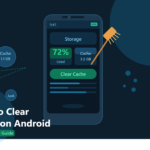
Clear Android Auto Cache
Temporary files sometimes cause glitches.
To clear cache:
- Open Settings.
- Go to Apps.
- Select Android Auto.
- Tap Storage.
- Clear Cache.
Restart the device afterward.
Restart Both Devices
A simple restart can solve many temporary software conflicts.
Restart:
- Smartphone
- Vehicle infotainment system
This refreshes the connection and often restores normal operation.
New Features Drivers Should Watch For
Google continues introducing exciting features.
Enhanced Messaging Experience
Future updates are expected to improve messaging functionality by providing:
- Better voice recognition
- Faster message reading
- Improved reply suggestions
This will help drivers communicate safely without touching their phones.
Smarter Voice Commands
Google is investing heavily in artificial intelligence.
Upcoming enhancements may include:
- More natural conversations
- Improved language understanding
- Faster command processing
Drivers will spend less time interacting with screens.
Improved Vehicle Integration
Manufacturers are increasingly integrating Android Auto deeper into vehicle systems.
Potential improvements include:
- Climate controls
- Vehicle diagnostics
- Battery monitoring for EVs
- Enhanced dashboard integration
This could create a more seamless driving experience.
Android Auto vs Built-In Google Systems
Many users are confused about the difference between Android Auto and Google’s built-in automotive platform.
Android Auto
- Runs from your smartphone
- Projects apps onto the car screen
- Requires phone connection
Android Automotive OS
- Built directly into the vehicle
- Operates independently
- Does not require a smartphone
Both platforms continue to coexist, but Android Auto remains the preferred option for many drivers because of its flexibility and wide compatibility.
Tips for Getting the Best Android Auto Experience
To maximize performance:
Keep Apps Updated
Updates often include:
- Security improvements
- Bug fixes
- Performance enhancements
Regular updates help maintain reliability.
Organize Your Apps
Place frequently used apps near the top of your Android Auto launcher.
Examples include:
- Google Maps
- Spotify
This reduces distractions while driving.
Enable Voice Commands
Voice control remains the safest way to interact with Android Auto.
Instead of touching the screen, simply say:
- “Navigate home.”
- “Play my playlist.”
- “Call Mom.”
- “Send a message.”
Monitor Battery Usage
Android Auto can consume battery power quickly.
Consider:
- Using charging cables
- Wireless charging pads
- Vehicle charging ports
This ensures your phone remains powered during long trips.
The Future of Android Auto
The future of Android Auto looks promising.
Experts expect Google to focus on:
- Artificial intelligence integration
- Smarter navigation
- Better vehicle connectivity
- Enhanced safety features
- More app partnerships
- Improved wireless performance
Electric vehicles and connected cars will likely play a major role in Android Auto’s evolution.
As vehicles become smarter, Android Auto may become an even more important part of everyday transportation.
Conclusion
Android Auto continues to evolve into a powerful driving companion that helps users navigate, communicate, and enjoy entertainment safely. The latest Android Auto news highlights Google’s commitment to improving usability, expanding app support, enhancing wireless connectivity, and integrating advanced AI-powered features.
Also More Info
For users experiencing issues, simple solutions such as updating software, using quality cables, clearing cache, and checking compatibility can resolve many common problems. Looking ahead, drivers can expect even smarter voice controls, deeper vehicle integration, and more convenient features.
Staying informed about Android Auto news ensures that you can take full advantage of new updates while enjoying a safer and more connected driving experience.
Frequently Asked Questions (FAQs)
1. What is Android Auto?
Android Auto is Google’s platform that connects Android smartphones to compatible vehicle infotainment systems, allowing safer access to navigation, calls, messages, and entertainment.
2. Is Android Auto free to use?
Yes. Android Auto is free to use, although some apps and services may require subscriptions.
3. Why does Android Auto keep disconnecting?
Common causes include faulty USB cables, outdated software, phone compatibility issues, or vehicle infotainment system problems.
4. Can Android Auto work wirelessly?
Yes. Many modern vehicles support wireless Android Auto, eliminating the need for a USB connection.
5. What apps are supported by Android Auto?
Popular supported apps include Google Maps, Waze, Spotify, YouTube Music, WhatsApp, Telegram, and many podcast applications.
6. Does Android Auto use mobile data?
Yes. Features such as navigation, streaming music, and voice assistant functions may use your phone’s mobile data connection.
7. What is the difference between Android Auto and Android Automotive?
Android Auto runs from a connected smartphone, while Android Automotive is built directly into the vehicle’s operating system.
More info